Robotic Traversal Experiment

Robots sent into dark, smoky, or texture-poor environments cannot depend on cameras for reliable spatial awareness. In confined spaces, the ability to feel obstacles and keep moving can matter more than building a perfect visual scene.
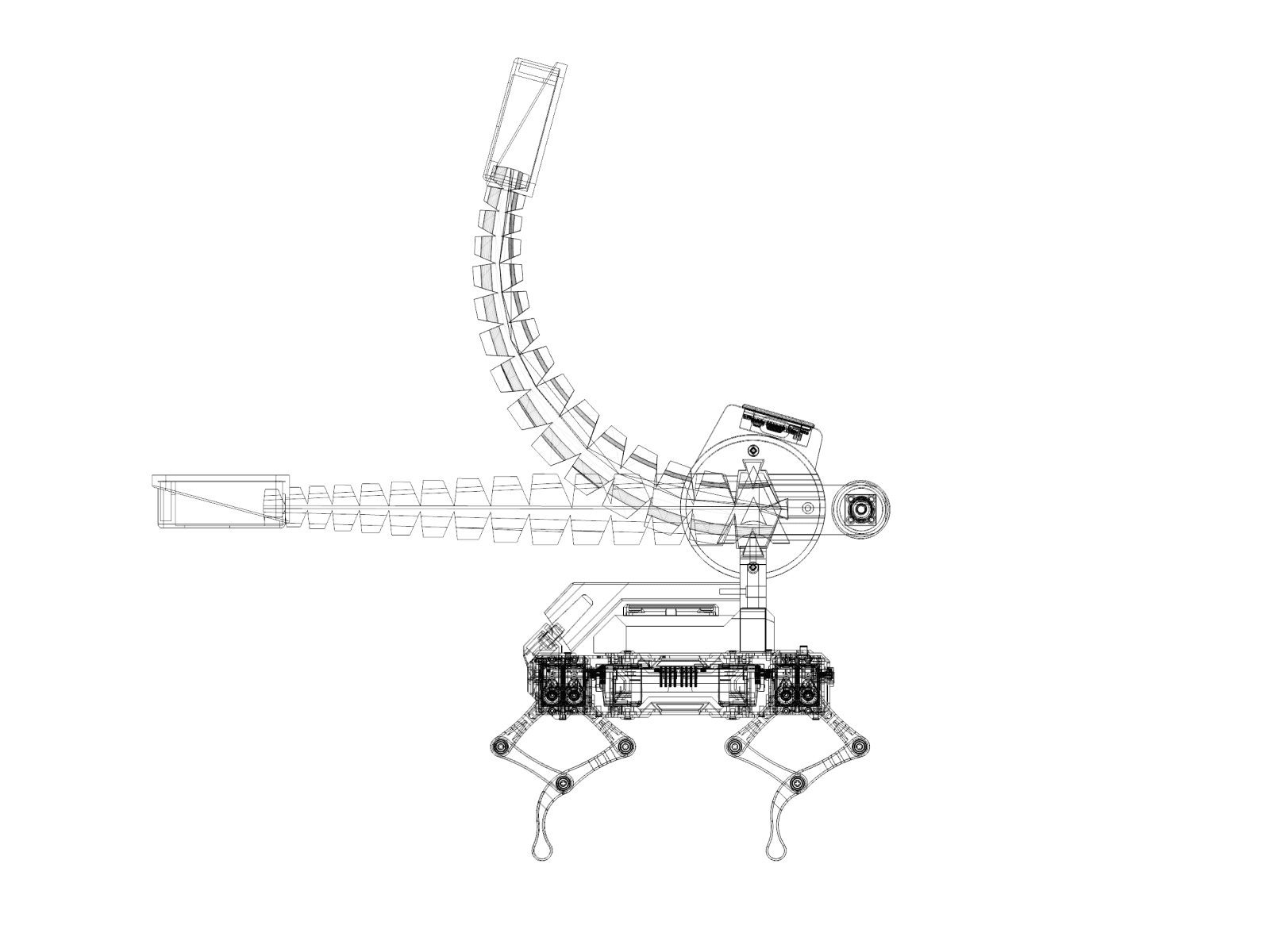
My objective was to test whether a self-contained robot could traverse standardized confined-area benchmarks using tactile sensing and artificial skin rather than vision.

I designed and built the Eleven robot and implemented three tactile policies, including the memory-augmented M3 controller that uses decaying contact history, force, bend, and terrain proxies to choose safer motion through contact-rich spaces. The system was evaluated across 660 DHS figure-8 trials under Indoor, Outdoor, and Dark lighting against visual and tactile baselines.

The tactile stack maintained approximately 21 ms median policy latency and mid-80% success across lighting conditions, including complete darkness. M3 traded some speed against the camera baseline for robustness, showing that touch-first traversal can remain operational when illumination and texture cues disappear.
Mazurick, A., & Ferworn, A. (2025). Traversal by touch: Tactile-based robotic traversal with artificial skin in complex environments. Sensors, 25(21), 6569. Link